Furniture rubbish clearance for Hamilton Terrace homes NW8
Posted on 13/10/2026
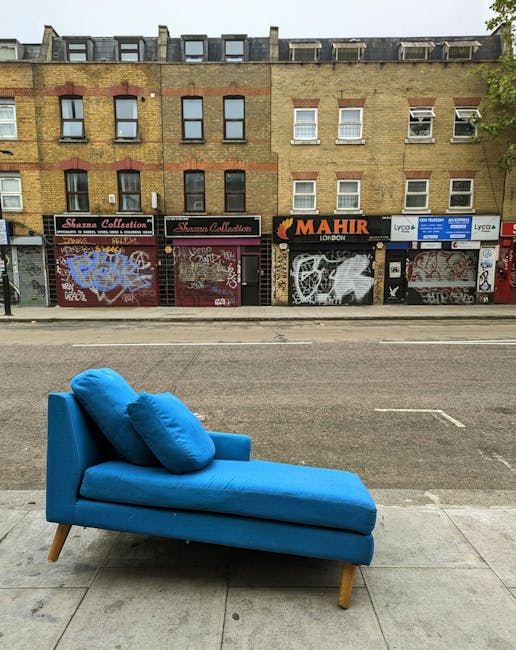
Furniture rubbish clearance for Hamilton Terrace homes NW8: a practical guide for busy homes
Old sofas, broken wardrobes, a mattress that will not fit down the stairs, a dining set left behind after a move - furniture rubbish clearance for Hamilton Terrace homes NW8 tends to show up at the exact moment you have enough on your plate already. If you live in a mansion flat, a converted terrace, or a compact apartment with tight hallways, you will know the problem well. Furniture does not just disappear because you have decided it has had its day.
This guide explains how clearance works, what to expect in NW8, how to avoid common mistakes, and when professional help makes the most sense. It is written for people who want a clear answer, not sales fluff. And, to be fair, furniture removal is one of those jobs that sounds simple until you are standing beside a heavy wardrobe at 8 a.m. wondering how it ever got into the room in the first place.
Below, you will find a step-by-step breakdown, a comparison of your main options, practical compliance notes, and a realistic checklist you can use before anyone lifts a single chair.
Why Furniture rubbish clearance for Hamilton Terrace homes NW8 Matters
Hamilton Terrace is not the kind of place where bulky waste is easy to ignore. Homes here often come with narrow internal stairs, limited pavement space, shared entrances, and parking that can be awkward at the best of times. That changes the whole job. A simple sofa removal in a house with a broad front path can be a five-minute lift; the same sofa in a top-floor flat with a tight turn on the landing can become a careful two-person carry with proper planning.
Furniture clearance matters because unwanted items can quickly create clutter, block storage space, and make a move, refurbishment, or tenancy handover more stressful than it needs to be. It also matters for safety. Heavy items left leaning against a wall or stacked in a hallway can become a trip hazard. Wobbly tables, splintered wardrobes, and cracked bed frames are not just ugly, they are a nuisance waiting to happen.
There is also the environmental side. Most furniture is not simply "rubbish" in the throw-it-all-away sense. Some items can be reused, some can be dismantled for recycling, and some will need specialist handling if they contain materials that cannot be casually mixed into general waste. Choosing a responsible service means fewer unnecessary trips to landfill and a clearer path to proper disposal.
For local households, there is a practical truth here too: the faster a bulky item is out of the way, the easier it is to reclaim the room. That spare bedroom starts functioning again. The hallway stops feeling cramped. The whole place breathes a bit more. You notice it immediately, usually by the sound of your own footsteps for once.
How Furniture rubbish clearance for Hamilton Terrace homes NW8 Works
The process is usually straightforward, though the details matter. In most cases, furniture rubbish clearance follows a few common stages: assessment, quotation, arrival, removal, and disposal. The exact order varies depending on the provider, but the logic is much the same.
First, you describe the items. A good provider will want to know what you are clearing, how many pieces there are, whether they are upstairs, and whether anything needs dismantling. A worn-out three-seater sofa, two bedside cabinets, and a flat-pack wardrobe are very different from a heavy oak sideboard and a king-size bed base. Weight, access, and quantity all affect the time and handling required.
Next comes the quote. Some firms price by volume, some by item, and some by a combination of labour, access, and disposal needs. If you are comparing quotes, ask what is included. Does the price cover loading only, or also dismantling, carrying from upper floors, and waste transfer? Those details can make a real difference.
On the day, the team will normally arrive with the equipment needed for safe lifting and transport. For larger clearances, that may include dollies, protective blankets, straps, and tools for quick dismantling. You do not need to provide these yourself, although it helps to make access as clear as possible. If a hallway is filled with bags, shoes, and an exercise bike that has become part of the furniture, move them before the team arrives. Trust me, it saves everyone a lot of shuffling.
Once removed, furniture is sorted for reuse, recycling, or disposal. Reusable items may be directed towards donation routes where appropriate; recyclable components may be separated; and remaining waste is taken to a licensed facility. A properly run service should be able to explain this at a high level without getting vague.
For related household clearance needs, many people also look at domestic waste collection in St John's Wood or broader support through the services overview when they are dealing with mixed household items rather than furniture alone.
Key Benefits and Practical Advantages
There is a reason many residents choose professional help instead of trying to manage bulky furniture on their own. The benefits are not just about convenience, though convenience is certainly part of it.
- Saves time: One booked collection can replace several hours of lifting, borrowing a vehicle, queuing at a disposal site, and cleaning up afterwards.
- Reduces risk of damage: Door frames, stair rails, walls, and floors can all take a beating if a heavy item is dragged rather than carried properly.
- Safer for you and your neighbours: Furniture clearance often involves awkward turning points, shared access, and passing pedestrians. A careful team helps lower the chance of accidents.
- Better sorting and disposal: Items can often be separated for reuse or recycling instead of being dumped as mixed waste.
- Less stress before a move or renovation: An empty room is easier to clean, decorate, photograph, or hand back to an agent.
- More flexible for difficult access: Some Hamilton Terrace homes have stairs, basement access, or parking constraints that make DIY removal far less appealing.
There is a quieter benefit too: decision relief. When a bulky item is blocking a room, it creates a mental kind of clutter as well. Once it is gone, the space feels manageable again. That sounds a bit poetic, perhaps, but anyone who has tried to work around an old wardrobe for three months will understand.
Who This Is For and When It Makes Sense
Furniture clearance is not only for people at the point of moving out in a rush. In fact, many of the best times to book it are practical, planned moments.
This service makes sense if you are:
- moving home and do not want to transport unwanted furniture
- clearing a flat after tenants have left items behind
- renovating and need rooms stripped back quickly
- replacing old furniture and need the old pieces taken away
- downsizing and sorting through a lifetime of accumulated items
- dealing with a probate clearance where contents must be managed respectfully
- making space in a storage room, loft, or spare bedroom that has become a catch-all
It is also useful if you are older, short on time, or simply not keen on lifting anything heavier than a kettle. No judgement there. Some jobs are just not worth the physical strain or the risk of injury.
In homes around Hamilton Terrace, furniture clearance often happens because the property itself is valuable space. A room used for storage for too long can become an expensive inconvenience. Clearing it properly often unlocks far more than floor area; it restores how the home functions day to day.
Step-by-Step Guidance
If you want a smooth clearance, it helps to think in stages. Rushing is where things tend to go wrong.
1. Identify exactly what is going
Walk through the property room by room and list every item. Be precise. "A few chairs" is not as useful as "two dining chairs, one armchair, one sofa, one bed frame, one mattress." If an item has drawers, glass panels, or a mirror, note that too.
2. Check access and measure awkward items
Measure the widest points of bulky furniture and the narrowest points of your route: doors, hallways, stairs, and turns. You do not need to overcomplicate it, but a rough check is wise. The thing that looks easy in a living room can become a nightmare on the landing. Happens all the time.
3. Separate what can stay, be reused, or be dismantled
Some items may be suitable for donation or reuse if they are in good condition. Others may need dismantling to get out safely. Remove small loose items from drawers and shelves beforehand. It makes the load lighter and avoids awkward surprises like a hidden stack of books inside a cabinet.
4. Request a clear quote
Ask what the price includes and whether there are any extra charges for stairs, difficult access, heavy lifting, or short-notice collection. Clear pricing is a good sign. Fuzzy pricing is not.
5. Prepare the route
Move shoes, plant pots, bins, and fragile decor out of the way. If parking or loading space is tight, think about the best practical arrangement in advance. In a busy NW8 street, that small bit of preparation can save a lot of faffing on the day.
6. Confirm disposal standards
Ask where the items will go and whether the provider uses licensed waste facilities. You do not need a lecture on waste law, just enough reassurance that the furniture will be handled properly.
7. Inspect the cleared space
Once the items are removed, check for screws, broken fittings, or small debris. A quick sweep afterward is always worth it. You want the room genuinely clear, not nearly clear.
If you also have heavier mixed items or leftover renovation debris, a broader rubbish solution may be more suitable, such as builders waste removal for refurbishment waste or house clearance support when the job goes beyond furniture alone.
Expert Tips for Better Results
A few small choices make a surprisingly big difference. The sort of difference you only appreciate once you have done this job a few times.
Tip 1: Sort by condition, not just by type. A wooden chair with a loose leg may be better handled differently from a structurally sound table. Items in good condition may have more reuse value.
Tip 2: Leave clearance space around each item. If a sofa is boxed in by side tables, lamps, and storage baskets, removal will take longer and may require more manual handling.
Tip 3: Photograph awkward items before booking. A quick photo helps avoid misunderstandings about size, finish, or access. It also reduces the old "Oh, I thought it was smaller" moment. We have all heard that one.
Tip 4: Be honest about access. If there is no lift, a narrow stairwell, or a tight basement turn, say so early. That is not a problem; it is just information the team needs to plan properly.
Tip 5: Book before the last minute if possible. Same-day help can be useful, especially in a hurry, but planned clearance often gives you more flexibility and a better chance to prepare the property cleanly.
Tip 6: Think about the full room, not only the furniture. If clearing a bedroom, you may also want to remove old rugs, small carpet pieces, broken lamps, or damaged storage boxes while the space is open. Once the room is being reset, it is easier to do it properly the first time.
Expert summary: The best furniture clearance is usually the one that feels calm, not chaotic. Measure the awkward bits, describe the items honestly, and choose a provider that can explain what happens after collection. That simple trio saves most headaches.
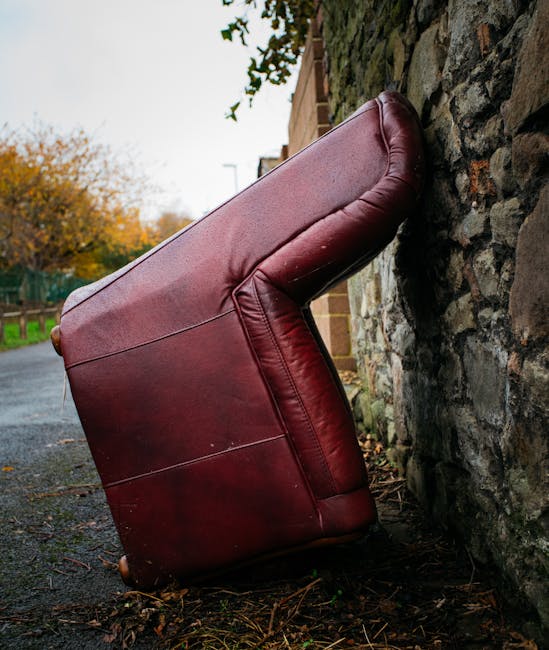
Common Mistakes to Avoid
There are a few classic errors that can turn a straightforward clearance into an irritating one. None are dramatic, but all are avoidable.
- Underestimating the weight and size of furniture: wardrobes and sofas often take up more route space than expected.
- Forgetting internal access issues: stairs, turns, low ceilings, and shared entrances matter a great deal.
- Mixing furniture with unrelated waste: if the job includes paint tins, electricals, or renovation debris, mention that early because it may change how the load is handled.
- Not checking whether dismantling is included: some items need to be broken down before they can be removed safely.
- Leaving loose items inside drawers or cupboards: this adds weight and can cause things to spill during carrying.
- Choosing only on price: the cheapest quote is not always the best if it excludes lifting, access, or proper disposal.
- Assuming every old item is recyclable in the same way: furniture is often a mix of wood, fabric, metal, foam, and fixings, which may need sorting.
The biggest mistake of all? Treating the job like a quick drag to the pavement. In a place like Hamilton Terrace, that approach can create blockages, damage, or neighbour complaints very quickly. Not worth it.
Tools, Resources and Recommendations
You do not need much in the way of specialist equipment yourself, but a few simple tools and habits make the process smoother.
| Item | Why it helps | When to use it |
|---|---|---|
| Tape measure | Checks whether bulky furniture can pass through doors and turns | Before booking or dismantling |
| Phone camera | Helps document item size and condition for accurate quoting | When requesting an estimate |
| Marker labels | Useful if some items are staying and others are going | During room sorting |
| Protective gloves | Helps if you are moving small loose parts or sharp fragments | During prep only, not a substitute for safe lifting |
| Strong bags or boxes | Keeps screws, fittings, and small loose items together | Before the clearance team arrives |
For a closer look at environmental handling, the recycling and sustainability approach is worth understanding, especially if you care about where reusable materials end up. If you want to see how a provider frames its wider standards, the about us page can also give a useful sense of working style and values.
When furniture is only one part of a larger clear-out, a broader furniture removal service can be a better fit than booking several separate jobs. And if appliances are involved too, consider whether white goods and appliance disposal should be arranged at the same time.
Law, Compliance, Standards, or Best Practice
Furniture clearance is not just a practical matter. In the UK, waste should be handled through appropriate and lawful channels, and reputable operators normally carry the right waste carrier registration and follow recognised handling practices. You do not need to become a compliance expert, but you should feel comfortable asking how a provider handles disposal.
For a homeowner or landlord, the main practical points are simple:
- do not let furniture be left on the street unless collection has been arranged properly
- avoid using anyone who cannot explain where the waste goes
- check that lifting methods are sensible and safe, especially in shared buildings
- keep access routes clear so items are not dragged and damaged
- ask for confirmation that disposal is handled through legitimate channels
Good providers will also pay attention to insurance and safety, particularly where lifting heavy items in confined spaces is involved. If you want to understand this side in more detail, see the insurance and safety information and the page covering waste carrier licence and compliance.
There are also simple best-practice expectations that matter even when no formal rule is being discussed: protect shared hallways, avoid blocking neighbours, and leave the property tidy after removal. In a London street, courtesy is not a small thing. It is part of the job.
Options, Methods, or Comparison Table
If you are deciding how to clear furniture from a Hamilton Terrace home, you usually have three practical choices. Each can work; the best one depends on access, item size, time pressure, and how much effort you want to put in yourself.
| Option | Best for | Pros | Trade-offs |
|---|---|---|---|
| DIY removal | Small loads, easy access, low volume | Potentially cheaper if you already have transport | Heavy lifting, time-consuming, disposal logistics, higher risk of damage |
| Man and van style clearance | Moderate furniture loads and awkward items | Flexible, usually quicker than DIY, less physical effort | Needs clear access details; quote may vary with stairs or weight |
| Full professional clearance | Large or mixed clearances, difficult access, time-sensitive jobs | Most convenient, safer handling, disposal managed end to end | Typically costs more than doing it yourself |
For most homes in this part of NW8, the deciding factor is access. If you have a ground-floor room and only a couple of light items, DIY may be workable. If you have a heavy wardrobe, a narrow stair, and no desire to spend your evening negotiating with a parked car, a professional clearance is usually the sensible choice.
Pricing matters too, of course. If you are comparing numbers, a dedicated page on pricing and quotes can help you understand what affects the final cost and why one estimate may differ from another.

Case Study or Real-World Example
Here is a realistic example from the kind of job many people in Hamilton Terrace might recognise. A resident in a second-floor flat wanted to clear a worn sofa, a bed frame, two wardrobes, and a coffee table before new flooring was fitted. The building had a narrow staircase, a shared entrance, and no lift. Nothing unusual, but enough to make the job more delicate than it first sounded.
The key to making it smooth was not speed. It was prep. The resident measured the wardrobes in advance, removed drawers, photographed the stairwell, and made sure the hallway was clear. On arrival, the team assessed which pieces needed dismantling first and protected the route to reduce scuffing. The sofa came down in one piece; the wardrobes needed careful breaking down. Simple, but not exactly casual.
What made the difference was that no one pretended the access was easy. That honesty saved time. The room was cleared in one visit, the floor installers could start on schedule, and the flat felt transformed before noon. You could almost hear the relief in the room, if that makes sense.
That is the real value of good furniture rubbish clearance for Hamilton Terrace homes NW8. It is not just about removing objects. It is about letting the next stage of the home begin without stress hanging around the doorway.
Practical Checklist
Use this before collection day.
- List every item that needs removing
- Measure bulky furniture and note awkward turns or stairs
- Check whether items need dismantling
- Remove all loose contents from drawers, cupboards, and shelves
- Clear hallways, landings, and entrances
- Confirm whether parking or loading space is available
- Ask what the quote includes
- Check whether the provider handles disposal through licensed channels
- Decide if reusable items should be separated from waste
- Keep fragile items and valuables out of the route
- Take a quick photo of the items before they are removed
- Do a final sweep for screws, fittings, and small debris afterwards
Quick takeaway: the smoother the access, the better the clearance. Most delays come from access surprises, not from the furniture itself.
Conclusion
Furniture clearance in Hamilton Terrace does not need to be disruptive, messy, or time-consuming. With a little preparation and the right kind of help, even heavy or awkward furniture can be removed cleanly and responsibly. That matters whether you are refreshing a flat, handing back a rental, or simply trying to make a home feel lighter again.
The best results usually come from clear item descriptions, honest access details, and a provider that handles disposal properly from start to finish. Do that, and the whole job feels much less like a problem and much more like a reset. And sometimes that is exactly what a home needs.
Get a free quote today and see how much you can save.

